.png?w=1024&h=259)
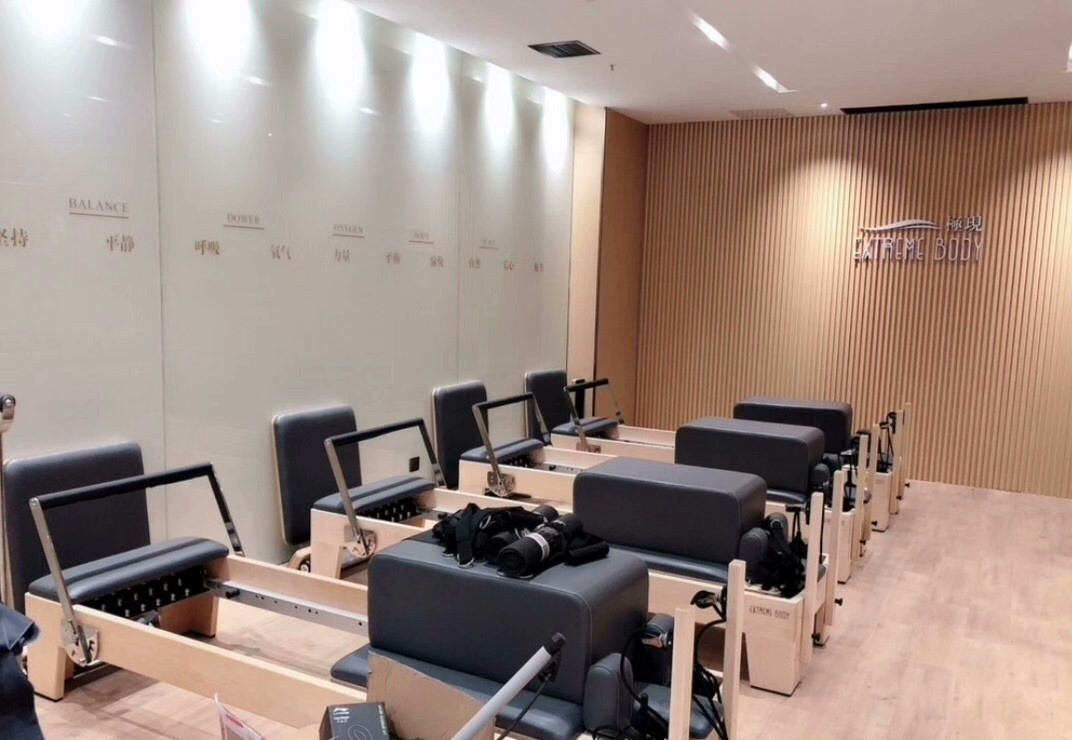
Why “Best” Depends on How You Use It
There is no single “best” Pilates reformer for everyone.
The best reformer for home use depends on:
* Your available space
* Your height and body proportions
* Your training level and goals
* Whether you plan to progress beyond basic exercises
Most buying mistakes happen when people choose based on **price or appearance**, instead of usage reality.
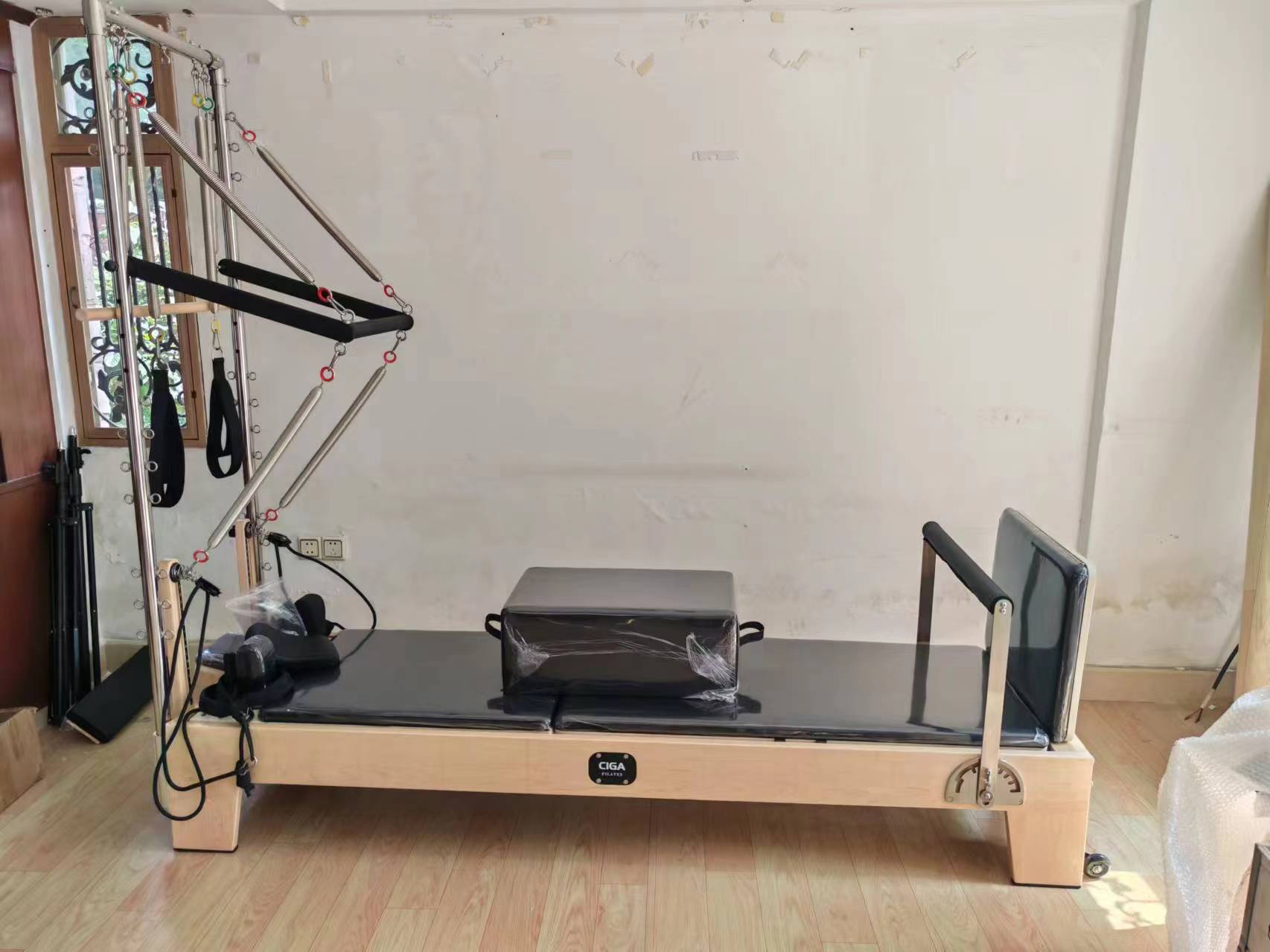
The 5 Factors That Actually Matter When Choosing a Home Reformer
1️⃣ Frame Stability (Non-Negotiable)
A reformer should feel stable under dynamic movement.
Look for:
* Solid frame construction
* Minimal wobble during carriage travel
* High-quality joints and fasteners
Lightweight frames may be easier to move, but often sacrifice long-term stability.
2️⃣ Carriage Travel & Smoothness
Short or uneven carriage travel limits exercise quality.
Pay attention to:
* Rail length
* Wheel quality
* Resistance consistency
Smooth movement is not a luxury — it directly affects joint safety and control.
3️⃣ Adjustability for Different Bodies
A reformer should adapt to you — not the other way around.
Key adjustment points:
* Footbar positions
* Rope length
* Headrest height
* Spring resistance options
Limited adjustability becomes frustrating as your skills progress.
4️⃣ Size & Space Compatibility
Even the best reformer is useless if it doesn’t fit your space properly.
Before choosing:
* Confirm room dimensions
* Check ceiling height
* Consider permanent vs shared space
(If you haven’t measured yet, do that first.)
5️⃣ Long-Term Upgrade Potential
Many home users start basic — and outgrow their reformer within a year.
Consider whether the reformer supports:
* Jump board
* Box
* Tower or vertical attachments
Buying once is cheaper than replacing later.

Full-Size vs Compact vs Folding: Which Is Best for Home?
Full-Size Reformers
**Best for:**
* Dedicated workout rooms
* Users planning long-term progression
* Taller users
**Downside:** Requires permanent space.
Compact Reformers
**Best for:**
* Smaller rooms
* One primary user
* Moderate progression goals
**Downside:** Limited advanced options.
Folding Reformers
**Best for:**
* Temporary setups
* Apartments with shared space
**Downside:** Reduced stability and shorter lifespan.
Common Features That Matter Less Than You Think
Many buyers overpay for:
* Premium finishes
* Brand labels
* Extra accessories they never use
Focus first on:
* Stability
* Movement quality
* Adjustability
Everything else is secondary.
Who Should NOT Buy a Professional-Grade Reformer Yet
You may want to wait if:
* You’re unsure how often you’ll train
* Your space will change soon
* You prioritize storage over performance
In these cases, starting simpler can be a smarter decision.
A Simple Decision Framework
Ask yourself:
1. Is my space permanent?
2. Do I plan to progress beyond beginner exercises?
3. Is stability more important than portability?
4. Do I want this to last 5–10 years?
Your answers will point you toward the right category — not just a product.
Final Thoughts
The best Pilates reformer for home use is the one that supports consistent, safe training over time.
Take the time to evaluate your space, needs, and goals carefully. A thoughtful decision now prevents frustration — and unnecessary expense — later.